
The Moral Descent of the Summoner
The Canterbury TalesThis flow traces how the Summoner’s professional corruption becomes a pact with the Fiend and finally an infernal sentence.
increasing Bearing strength in each event
 decreasing
Bearing strength in each eventdecreasingArchdeacon’s Machinery
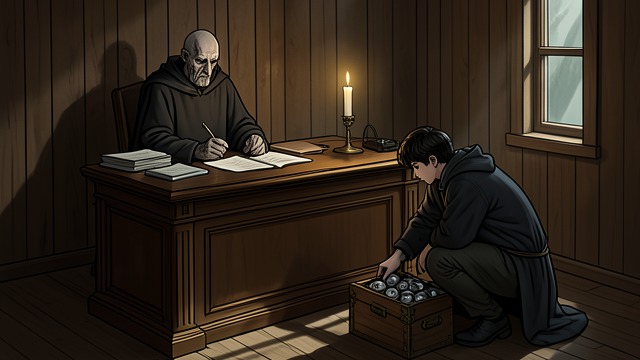
Archdeacon’s Machinery
Judicial Reach
The Archdeacon prosecutes sexual, financial, and ecclesiastical offenses through an extensive system of records and spies. Law appears powerful but is vulnerable to those who administer it.
Corrupt Deputy
The Summoner converts summonses into extortion. He protects profitable offenders while presenting bribery as legal procedure.
Predatory Partnership
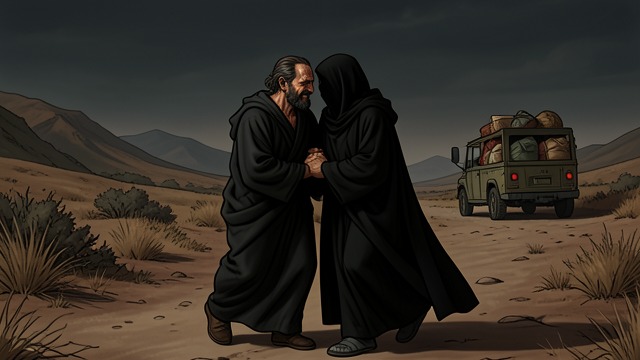
Predatory Partnership
False Fellowship
The Summoner meets a disguised Fiend and calls him a fellow bailiff. Their instant brotherhood rests on shared extraction rather than trust.
Moral Recognition
Both men openly describe how they profit from others. Their conversation makes corruption look like a professional culture with its own rules.
The Carter’s Ambiguity

The Carter’s Ambiguity
Spoken Curse
A carter angrily says that the Fiend may take his cart and horses. The Summoner treats the words as a literal transfer.
Intention and Language
The Fiend refuses because the carter’s curse was not his true intention. The episode establishes that moral judgment depends on inward meaning, not merely speech.
Widow’s Resistance
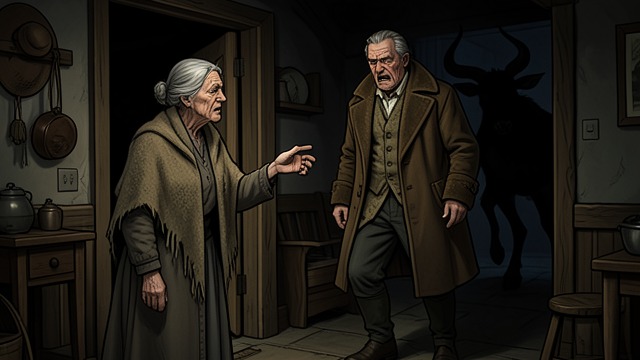
Widow’s Resistance
Manufactured Guilt
The Summoner threatens a poor widow with a false charge and demands money. His authority collapses when she exposes the lie.
Reversal of Power
Her curse is not casual speech but a deliberate wish for the Fiend to take him. The corrupt officer’s own logic turns against him.
Infernal Seizure
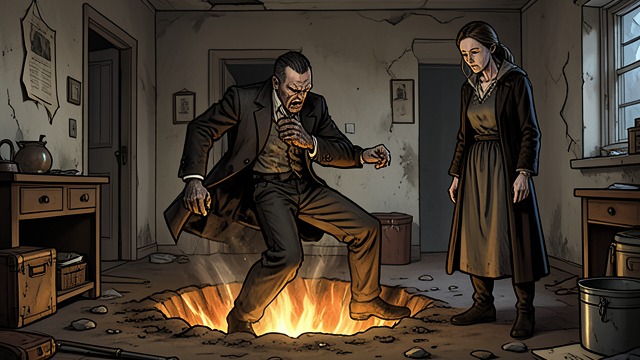
Infernal Seizure
Legal Predation Ends
The Summoner refuses repentance and insists on further theft. His continued will makes the widow’s curse morally effective.
Body and Soul Claimed
The Fiend carries him away to hell. The tale closes by presenting corruption as a self-chosen partnership whose final beneficiary is damnation.
Opening of The Friar’s Tale
The Summoner’s ride through the forest
During the road toward the town
Later that same day
At the widow’s cottage near the tale’s ending
